产品与服务
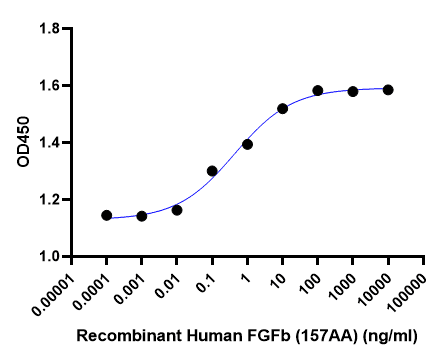
FGFb (157AA)
Recombinant Human FGFb (157AA)
Recombinant Human FGFb (157AA), also known as recombinant human basic fibroblast growth factor (FGF-2 / bFGF), is the most widely used heparin-binding growth factor in the FGF family. It is produced in an E. coli expression system in a tag-free form, corresponding to the Gly132–Ser288 amino acid sequence of human FGF2 protein, totaling 157 amino acids. FGFb binds to multiple fibroblast growth factor receptors including FGFR1c, FGFR2c, FGFR3c and FGFR4, and activates downstream signaling pathways such as MAPK, PI3K/Akt and PLCγ. It potently promotes the proliferation, migration and differentiation of cells derived from mesoderm and neuroectoderm, and exerts a variety of biological functions including regulating angiogenesis, tissue repair, embryonic development and neuronal protection. As a core basic factor in organoid and stem cell culture systems, FGFb is widely used to maintain the stemness of pluripotent stem cells and promote the expansion of various epithelial and mesenchymal organoids. Manufactured under strict quality control, this product features high purity, high specific activity, low endotoxin and batch-to-batch stability.
产品介绍
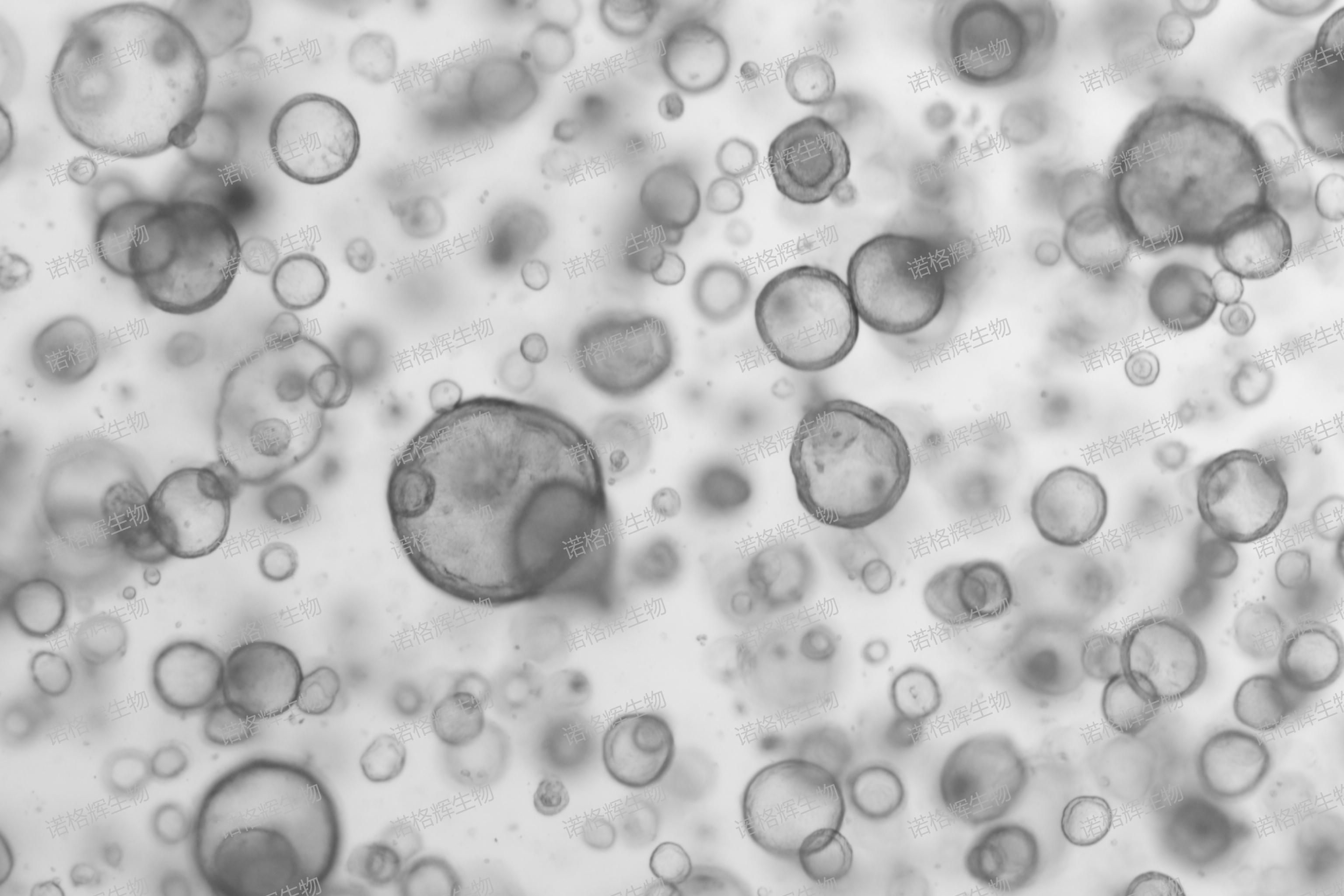
培养效果图
产品别称
Fibroblast Growth Factor Basic; FGF-2; bFGF; FGF basic
氨基酸序列
Gly132–Ser288 (Uniprot: P09038), 157 amino acids in total
理论分子量
17.2 kDa
表观分子量
~18 kDa (reduced SDS-PAGE)
剂型
Sterile lyophilized powder (filtered through 0.2 μm membrane)
缓冲体系
20 mM PB, 300 mM NaCl, pH 7.4
纯度
≥95% (reduced SDS-PAGE)
内毒素
<0.01 EU/μg (LAL assay)
生物活性
ED₅₀ ≤ 0.5 ng/mL (BALB/c 3T3 cell proliferation assay)
保存与运输
Storage: Store at -20°C or below in a dry and dark place. Valid for 24 months upon receipt. After reconstitution, aliquot and store at -70°C for up to 3 months. Shipping: Shipped with blue ice / at ambient temperature (stable lyophilized formulation). Precautions: Avoid repeated freeze-thaw cycles. After reconstitution, it is recommended to aliquot into single-use volumes for low-temperature storage.